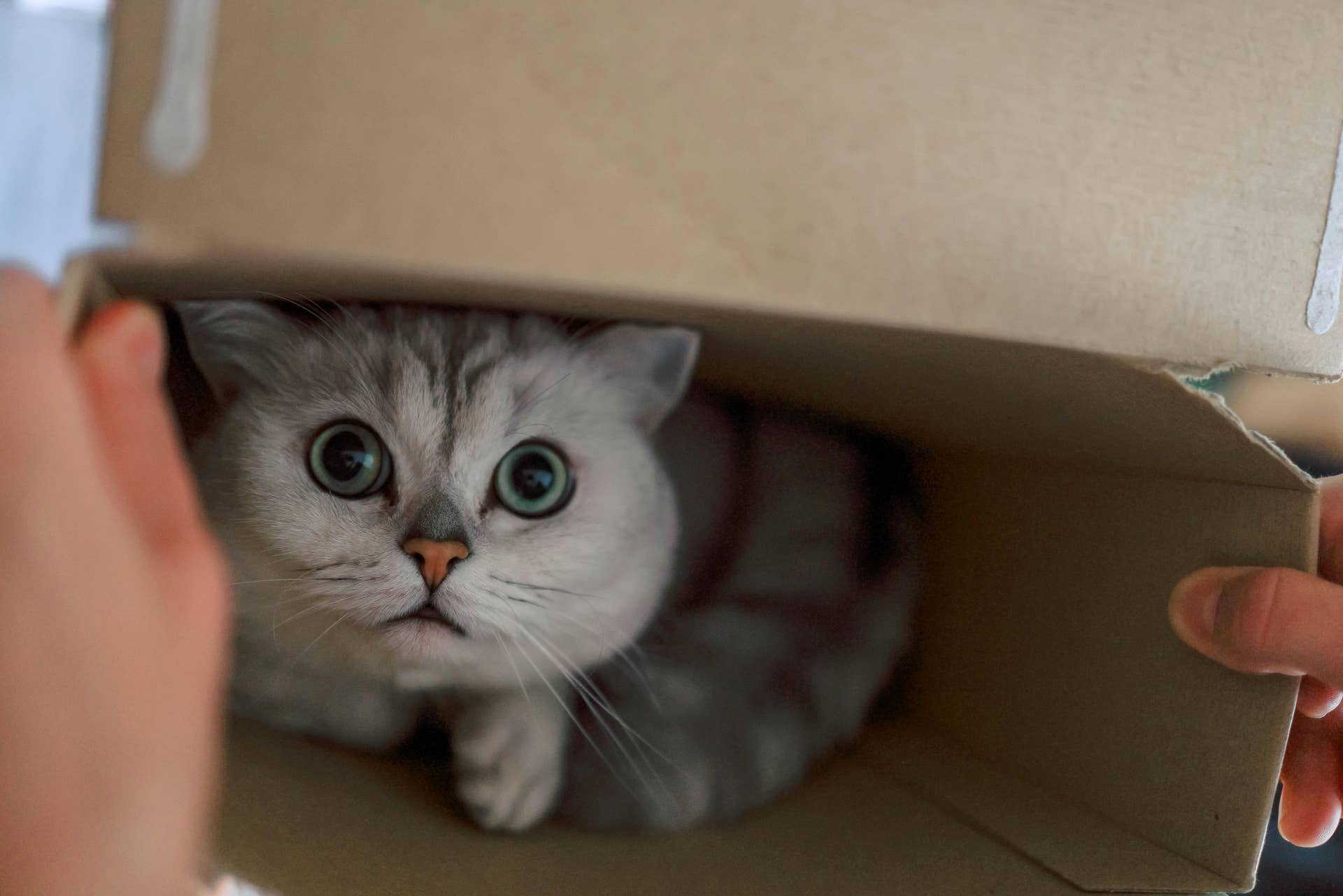
Moving With Pets: Helping Them Feel Safe and Loved
Quick Answer:
Moving with pets is easier when you keep their routine as normal as possible, create a quiet safe space during the chaos, pack their familiar items last, and give them time to adjust slowly in the new home. Pets do not understand why everything is changing, so comfort, patience, and consistency matter most.
Moving is a big deal for humans.
But if you have pets, you already know they are part of the family — 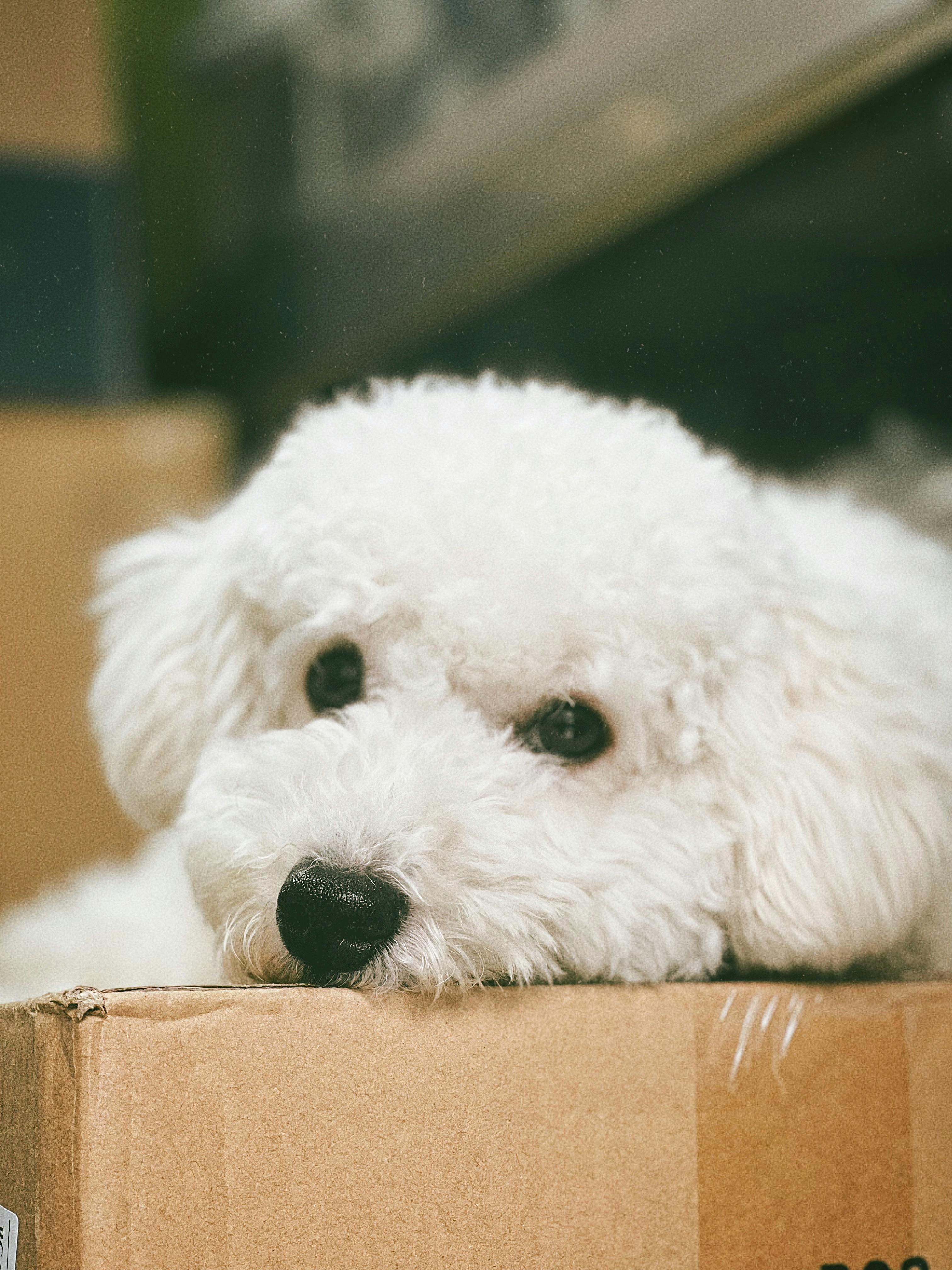 which means moving is a big deal for them, too.
They may not understand contracts, closing dates, packing tape, or why their favorite sunny spot suddenly has boxes stacked in it. But they absolutely understand change.
They notice when your routine shifts.
They notice when the house smells different.
They notice when you’re stressed.
They notice when furniture starts disappearing.
And because they love you, they may feel a little unsettled when everything around them starts to change.
So if you’re planning a move with a dog, cat, or other beloved pet, it helps to think about the move through their eyes. A little planning can go a long way in helping them feel safe, loved, and secure.
Why Is Moving Stressful for Pets?
Pets are creatures of habit.
They know the sound of your alarm. They know when dinner is supposed to happen. They know which window is best for squirrel watching, which corner gets the afternoon sun, and exactly where you keep the treats.
When you move, their whole little world changes.
Boxes come out. Furniture shifts. People come and go. Routines get interrupted. Then, suddenly, they are in a new place full of unfamiliar smells, sounds, and spaces.
Even happy moves can feel confusing for pets.
That doesn’t mean they won’t adjust. Most pets do beautifully with time. But they need a little extra patience while they figure out that this new place is home now, too.
How Can You Prepare Your Pet Before Moving Day?
The best thing you can do before moving day is keep your pet’s routine as normal as possible.
Feed them at the usual time. Walk them at the usual time. Keep bedtime familiar. If your pet has a favorite blanket, bed, toy, or crate, keep those items available instead of packing them too early.
Those familiar things can be incredibly comforting.
If you are packing over several days or weeks, try to give your pet one calm area of the home that stays mostly unchanged. This gives them a place to retreat when the rest of the house starts feeling unfamiliar.
And if your pet is especially anxious, it may be worth talking with your veterinarian before the move. They may have suggestions to help make the transition easier.
What Should You Do With Pets on Moving Day?
Moving day can be loud, busy, and full of open doors.
For pets, that can be overwhelming — and sometimes unsafe.
If possible, consider having your pet stay with a trusted friend, family member, pet sitter, or boarding facility while the main moving activity is happening. This can reduce stress and help prevent a scared pet from slipping out an open door.
If your pet will be home during the move, set up a quiet room with the door closed. Add their bed, water, favorite toys, and something that smells like you. A simple sign on the door that says “Please do not open — pet inside” can help everyone remember.
This is not about hiding them away.
It’s about giving them a little peace while everything else is in motion.
What Should You Pack for Your Pet?
Before moving day, put together a small pet essentials bag.
Include food, bowls, treats, medication, leashes, waste bags, litter, a favorite toy, vaccination records, and anything else your pet may need during the first couple of days.
You do not want to be digging through boxes at midnight looking for dog food, a leash, or the cat’s favorite blanket.
Keep their most familiar items close. That old toy that has seen better days? Bring it. The bed that doesn’t match your new decor? Bring it. The blanket covered in fur? Definitely bring it.
To your pet, those things smell like home.
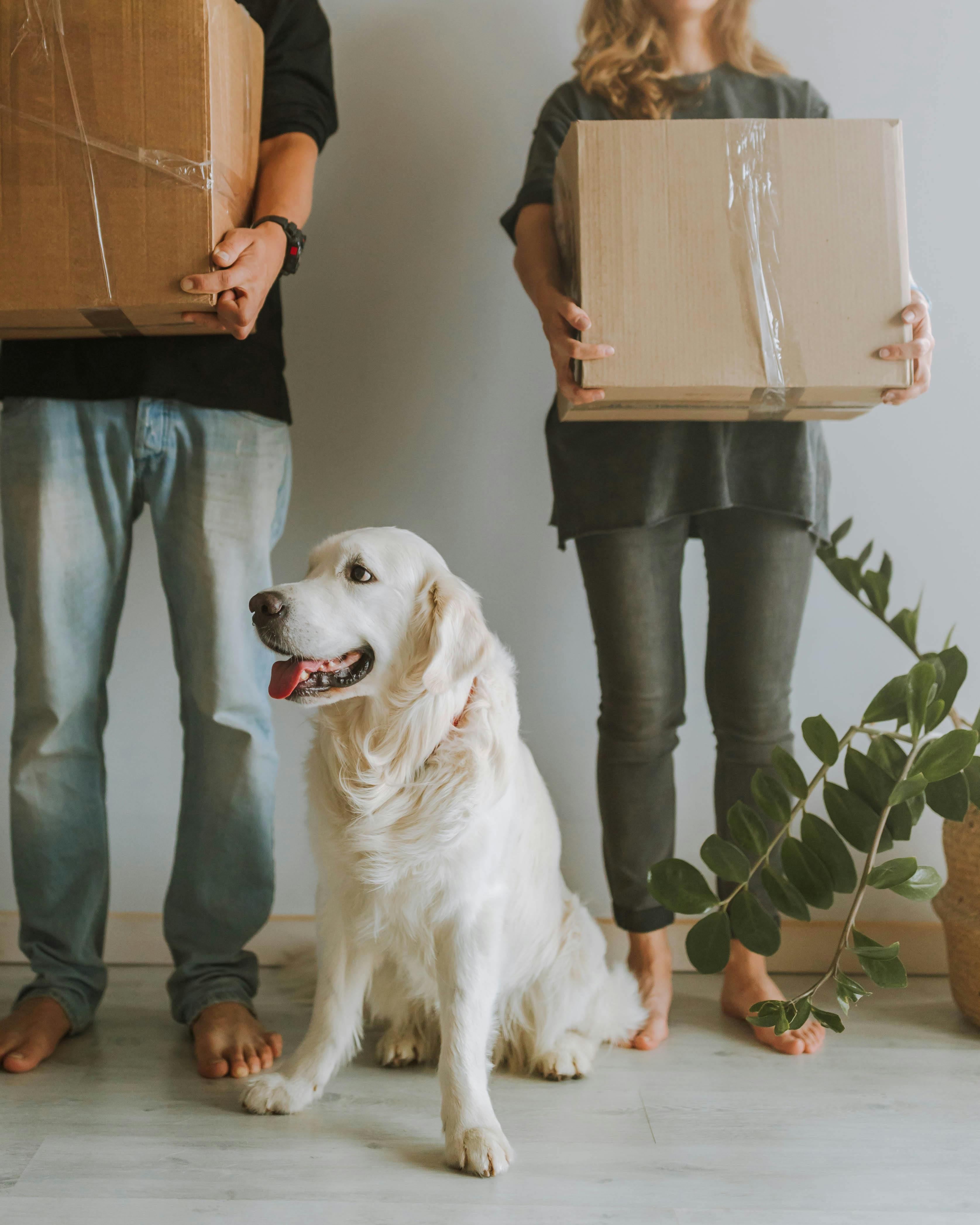 How Do You Help Pets Adjust to a New Home?
Once you arrive at the new home, start small.
Rather than giving your pet full access to the entire house right away, introduce them to one calm area first. Let them sniff, explore, and settle at their own pace.
For dogs, a walk around the neighborhood can help them begin learning the new smells and sounds. For cats, a quiet room with food, water, litter, and familiar bedding can help them feel secure before exploring more of the house.
Try not to rush the process.
Some pets bounce into a new home like they own the place. Others need time. Both are normal.
The most important thing is that they know you are there.
Your voice, your scent, your routine, your presence — those are the things that help them understand they are safe.
How Can You Make the New House Feel Like Home?
Pets do not need everything to be perfect.
They need familiar.
Set up their bed, bowls, toys, crate, scratching post, or favorite blanket as soon as possible. If they had a favorite kind of spot in your old home — a sunny window, a cozy corner, a quiet bedroom — try to create something similar in the new home.
For dogs, getting back into a regular walk and feeding routine can help them settle.
For cats, patience is key. They may hide for a bit. They may explore at night. They may act like they are personally offended by your decision to relocate. Give them time.
They are not being difficult.
They are adjusting.
What If Your Pet Acts Different After the Move?
It is common for pets to act a little differently after a move.
They may be clingier than usual. They may hide. They may pace, bark, meow, have accidents, eat less, or seem restless.
Most of the time, this improves as they settle in.
Give them reassurance, routine, and time. Avoid scolding anxious behavior if you can. They are trying to make sense of a big change.
If something feels concerning or lasts longer than expected, check in with your veterinarian. You know your pet best, and it’s always okay to ask for guidance.
Don’t Forget to Update Their Information
This is one of those small details that can make a big difference.
Update your pet’s microchip information, ID tags, and vet records with your new address and phone number. If your pet gets nervous in a new environment, having current contact information is especially important.
You may also want to find a nearby veterinarian, emergency vet, groomer, boarding facility, or pet supply store before you need one.
It’s one more way to help your whole family feel settled.
Your Pets Don’t Need a Perfect Move
Here’s the sweet truth: your pets do not need you to do everything perfectly.
They just need you.
They need your patience when they are confused.
They need your calm when things feel busy.
They need their favorite blanket, their regular dinner, and maybe a few extra cuddles on the floor surrounded by half-unpacked boxes.
A new house becomes home in layers.
First the keys.
Then the furniture.
Then the routines.
Then the little moments.
The dog finding the best nap spot.
The cat claiming a window.
The leash by the door.
The food bowl in its new corner.
The sound of paws following you from room to room.
That’s when it starts to feel real.
And before long, your pet will not just be living in the new house.
They’ll be home.
Frequently Asked Questions About Moving With Pets
How can I make moving less stressful for my pet?
Keep their routine as normal as possible, give them a quiet space during packing and moving, keep familiar items nearby, and introduce them to the new home slowly.
Should I board my pet on moving day?
If your pet gets anxious or if doors will be open often, boarding them or having them stay with someone trusted can be a great option. It can keep them calmer and safer during the busiest part of the move.
How long does it take pets to adjust to a new home?
Every pet is different. Some adjust within a few days, while others may take weeks. Routine, patience, and familiar items can help them feel secure.
What should I pack in a pet moving bag?
Pack food, water bowls, medication, treats, leash, waste bags, litter, vaccination records, favorite toys, bedding, and anything your pet needs for the first few days.
Why is my pet acting strange after we moved?
New surroundings can feel confusing. Pets may hide, cling, bark, meow, pace, or act differently while adjusting. If the behavior feels serious or continues longer than expected, check with your veterinarian.
Thinking About a Move With Your Pets?
If you’re planning a move and want to make the transition easier for every member of the family — including the furry ones — I’d be happy to help you think through the timing, the home search, and the little details that make a move feel smoother.
Corinne Stanton, Realtor
Silvercreek Realty Group
208-779-0483
SheSells208@gmail.com
CorinneStantonRealEstate.com



Responses